
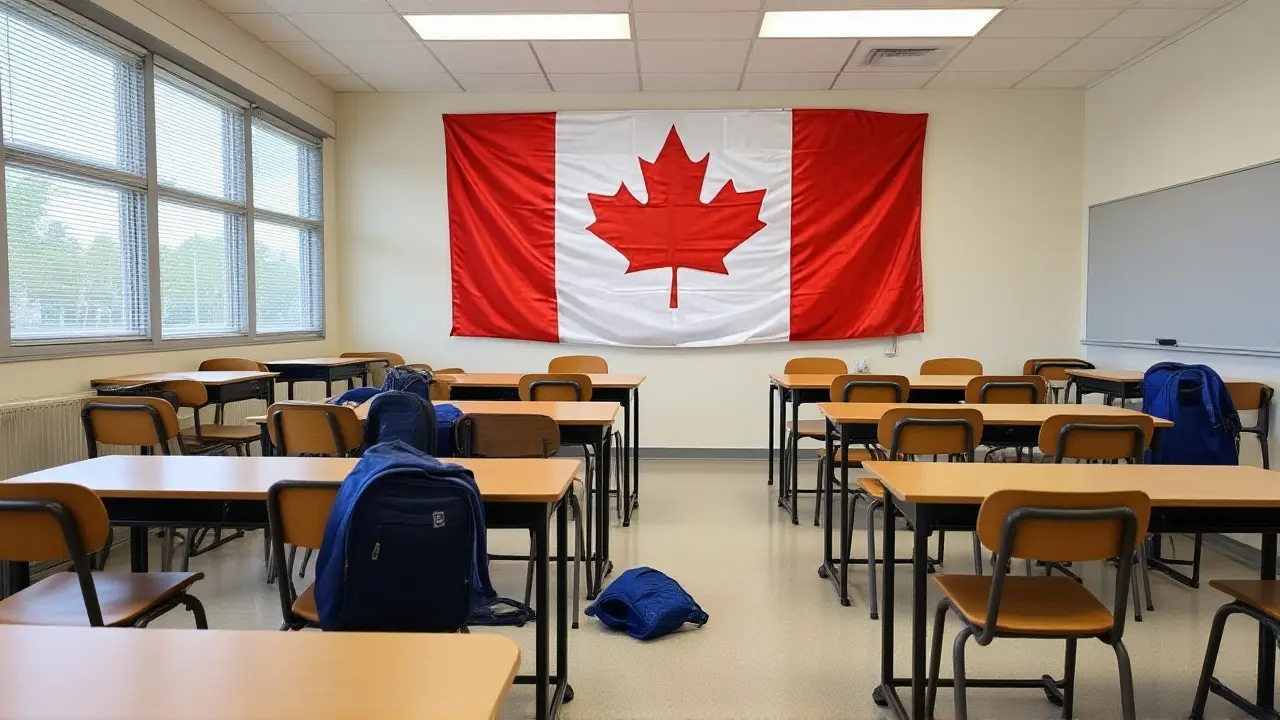
When Canada announced its strict new caps on international study permits last year, few expected the numbers to drop so fast. Turns out, they did. New data reveals a staggering 97% collapse in new international student arrivals over just two years. It’s not just a dip; it’s a near-total freeze on one of the country’s fastest-growing economic sectors.
The figures are stark. What was once a booming pipeline of global talent has effectively shut down for many institutions. The decline isn't gradual—it’s abrupt. This seismic shift is reshaping campus life, local housing markets, and university budgets across the nation. For provinces that relied heavily on this influx, the silence on campuses is deafening.
The End of an Era for Canadian Campuses
For nearly a decade, Canada positioned itself as the welcoming alternative to other Western nations tightening their visa rules. Universities and colleges aggressively recruited from India, China, and Nigeria. They built dorms, hired staff, and expanded programs based on the assumption that demand would keep climbing. That assumption is now dead.
The 97% figure refers specifically to *new* arrivals. It doesn’t mean existing students vanished overnight. Rather, it signals that the door for fresh intake has slammed shut. According to reports from outlets like BusinessDay, this collapse occurred over a two-year period following the implementation of policy changes. Another source, AcademicJobs, describes it as a drop from peak levels, highlighting how quickly the momentum reversed.
Here’s the thing: private career colleges hit hardest. These institutions often lacked the endowments or domestic enrollment bases to absorb the shock. Many are already closing doors or merging with larger universities. The era of easy accreditation and rapid expansion is over.
Why the Sudden Freeze?
The catalyst was clear: the federal government stepped in. Faced with public backlash over housing shortages and concerns about exploitation, officials imposed limits. In late 2023, the government introduced a cap on study permits for diploma and college-level programs. They also restricted dependents from bringing spouses and children if the main applicant was enrolled in certain types of schools.
"We had to act," said one immigration official, echoing sentiments heard in Ottawa at the time. "The system was being abused, and our infrastructure couldn't handle the volume." But the medicine was harsh. By limiting who could apply, the government inadvertently choked off legitimate educational pathways too.
It’s worth noting that this wasn’t just about numbers. It was about optics. Images of overcrowded buses and makeshift housing made headlines globally. The political pressure mounted until action became inevitable. Now, the results are visible in every empty classroom.
Who Pays the Price?
Universities are feeling the pinch immediately. Tuition revenue from international students often subsidizes research and domestic tuition fees. With that income stream drying up, some institutions face budget deficits. Others are scrambling to recruit domestic students, but those pools aren’t infinite.
Local communities are affected too. Real estate agents report fewer rentals. Restaurants near campuses see lower foot traffic. Small businesses that thrived on the spending power of young global citizens are struggling to stay open. In cities like Toronto and Vancouver, where rent prices were partly propped up by student demand, landlords are worried.
And then there are the students themselves. Thousands who planned to start their studies in Canada found their applications rejected or delayed. Some switched to Australia or Germany. Others gave up entirely. Their dreams deferred, their savings locked away.
What Comes Next?
The immediate future looks uncertain. While the cap remains in place, some adjustments may come. The government has hinted at reviewing policies in 2025, potentially easing restrictions for high-demand fields like healthcare or tech. But don’t expect a return to the wild west of recruitment anytime soon.
Institutions are adapting. Many are focusing more on online learning or partnerships with foreign universities to maintain global presence without physical arrival. Others are diversifying their funding sources, seeking corporate sponsorships or government grants.
Long-term, this marks a fundamental change in how Canada approaches education as an export industry. The days of treating international students purely as cash cows are behind us. Quality, integration, and sustainability now matter more than quantity.
Frequently Asked Questions
What caused the 97% drop in international student arrivals?
The primary cause was the Canadian government's introduction of strict caps on study permits in late 2023. These measures limited the number of visas issued for college and diploma programs, restricted dependents, and tightened eligibility criteria. The goal was to address housing crises and prevent exploitation, but the result was a dramatic reduction in new arrivals.
Does this affect all types of schools equally?
No. Private career colleges and smaller institutions have been hit much harder than major universities. Many private colleges relied almost entirely on international tuition revenue. Without it, they cannot sustain operations. Universities, while affected, have more diversified income streams and larger domestic enrollments to buffer the impact.
Will the policy change back soon?
Not immediately. The current caps are expected to remain through at least 2024. However, the government has indicated a review in 2025, possibly allowing exceptions for critical sectors like health care or technology. Any relaxation will likely be cautious and targeted, avoiding a repeat of previous growth spikes.
How does this impact local economies?
Local economies suffer significantly. Reduced student populations mean less spending on housing, food, transport, and entertainment. Landlords face vacancies, retailers lose customers, and service workers see reduced hours. Cities with high concentrations of international students, such as Toronto and Montreal, feel the economic chill most acutely.
Are students currently in Canada affected?
Existing students are generally not required to leave. The 97% drop applies to *new* arrivals only. Current enrollees can continue their studies under existing terms. However, future work permit extensions or post-graduation opportunities may become more competitive due to tighter overall immigration controls.